


Introduction
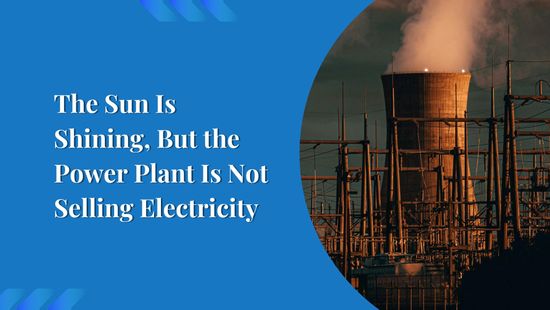
A solar power project presents an unusual infrastructure problem: the resource is available only when nature provides it, but the financial model depends upon predictable revenue.
Even when a project is fully constructed and capable of generating electricity, disputes can arise if the electricity cannot be evacuated or purchased as expected.
Background
Renewable energy projects depend upon grid connectivity, power purchase arrangements and regulatory approvals.
A disruption in any of these areas can affect revenue even though the generating facility itself remains fully operational.
Court's Findings / Legal Analysis
Curtailment and grid-related issues can raise questions concerning whether the restriction was permitted under the applicable regulatory and contractual framework and whether compensation or other remedies are available.
Power Purchase Agreements may also address tariff, scheduling, payment, change in law and force majeure.
Why the Judgment Matters
Renewable energy projects have a combination of conventional infrastructure risks and risks arising from the nature of renewable generation itself.
For investors, the legal framework governing evacuation and offtake can be as important as the cost of constructing the solar facility.
Key Takeaways
Grid connectivity should be assessed before financial closure.
PPAs should clearly allocate curtailment and regulatory risks.
Developers should understand the consequences of changes in renewable-energy policy.
Conclusion
Renewable energy infrastructure is often described as a technology story. It is equally a contract and regulatory story.
The future of solar power will depend not merely on installing more panels, but on creating legal frameworks that make the resulting electricity commercially bankable.