



Introduction
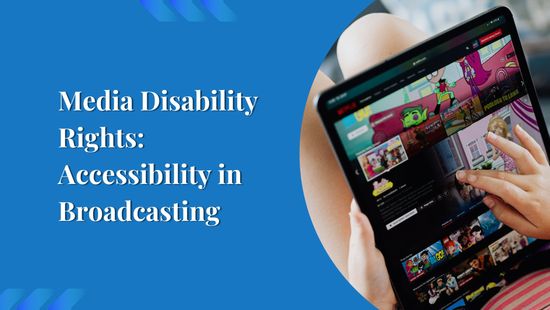
Entertainment is increasingly consumed through digital platforms, yet accessibility barriers can prevent persons with disabilities from participating equally.
Accessibility should therefore be treated not simply as a technical feature but as an aspect of legal and social inclusion.
Different Disabilities Require Different Solutions
Subtitles may assist deaf or hard-of-hearing viewers, while audio description can improve access for visually impaired audiences. Accessible interfaces may be equally important.
Digital Platforms Create Opportunities
Unlike traditional broadcasting, digital platforms can potentially provide multiple versions of the same content.
Accessibility can therefore be designed into the distribution model from the beginning.
Commercial Value
Accessible content also expands potential audiences and improves the international usability of content.
Conclusion
Accessibility should not be treated as an optional addition after content has been produced.
For modern media businesses, inclusive design is increasingly part of responsible content creation, regulatory compliance and long-term audience strategy.