



Introduction
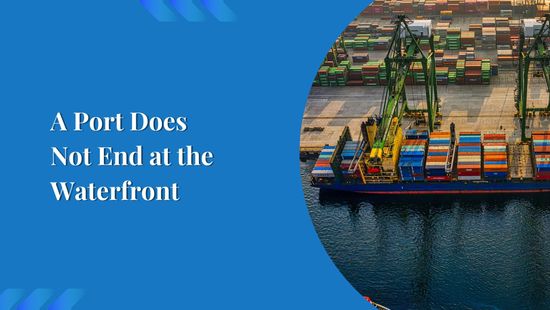
A port may have modern berths, cranes and cargo-handling facilities, but its success depends upon what happens after cargo leaves the terminal.
Roads, railways, warehouses, customs systems and logistics networks can determine whether a port actually functions efficiently.
Background
Port projects may involve public authorities and private concessionaires operating under detailed contractual arrangements.
The Major Port Authorities Act, 2021 provides the statutory framework for regulation, operation and planning of major ports in India.
Court's Findings / Legal Analysis
A port operator may not control every part of the logistics chain.
Congestion on an external road or railway may affect cargo movement even though the terminal itself is functioning properly. This can create difficult questions concerning contractual responsibility and performance standards.
Why the Judgment Matters
Port infrastructure is increasingly part of a larger logistics ecosystem. A modern port cannot be assessed in isolation from its hinterland connectivity.
This means that contracts should account for dependencies on infrastructure outside the immediate project site.
Key Takeaways
Concession agreements should clearly allocate infrastructure and operational responsibilities.
External connectivity risks should be considered during project planning.
Performance standards should distinguish between matters within and outside the concessionaire's control.
Conclusion
A port should not be legally analysed as a fenced-off piece of waterfront infrastructure.
Its commercial success depends upon an entire network of connected infrastructure, making coordination and risk allocation critical to port projects.