



Introduction
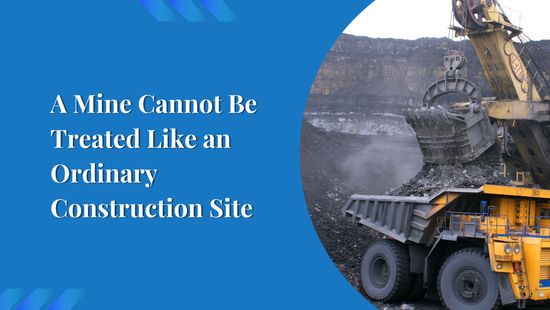
A mining project may require roads, processing facilities, power systems, water infrastructure and transportation networks. Yet unlike an ordinary infrastructure project, its existence depends upon extracting a natural resource while complying with an extensive regulatory framework.
This makes environmental and regulatory compliance central to project planning.
Background
Mining projects can affect land, forests, water resources and surrounding communities. They therefore operate within a legal framework extending beyond the mining activity itself.
Court's Findings / Legal Analysis
Environmental approvals and operating conditions form part of the project's legal architecture.
A project may also face land acquisition, rehabilitation, forest-related and local community issues. Failure to properly address these matters can lead to regulatory action and litigation.
Why the Judgment Matters
Infrastructure projects often require substantial investment before commercial operations begin. If a critical approval is delayed or challenged, the financial consequences can extend to lenders, contractors and investors.
Environmental compliance is consequently not merely a regulatory formality. It can affect the financial viability of the entire project.
Key Takeaways
Environmental due diligence should begin before major investment decisions. Project developers should identify approval dependencies at the planning stage.
Land, environmental and community risks should be assessed together.
Conclusion
The legal viability of a mining project cannot be separated from its environmental and social impact.
For developers and investors, environmental compliance is not simply a condition attached to the project. It can determine whether the project is commercially viable at all.